Oni Cloth Home

Category

Culture & Style

22 articles

Silent Signal: How Your Wardrobe Speaks Before You Ever Open Your Mouth

Silent Signal: How Your Wardrobe Speaks Before You Ever Open Your Mouth

Every fit you put on is a broadcast — one that reaches people before your name does. From the boardroom to the block, the way you dress consistently is quietly building a reputation that either opens doors or closes them. Here's why your wardrobe might be the most underrated personal branding tool you own.

Red, Blue, or Gold: Which Oni Are You Dressing Like?

Red, Blue, or Gold: Which Oni Are You Dressing Like?

Japanese mythology gave us three distinct oni personalities — and whether you know it or not, your wardrobe is already picking sides. Understanding the red, blue, and gold oni archetypes might be the most useful thing you do for your personal style this year.

Your Fit Is Talking. Is Your Body Listening?

Your Fit Is Talking. Is Your Body Listening?

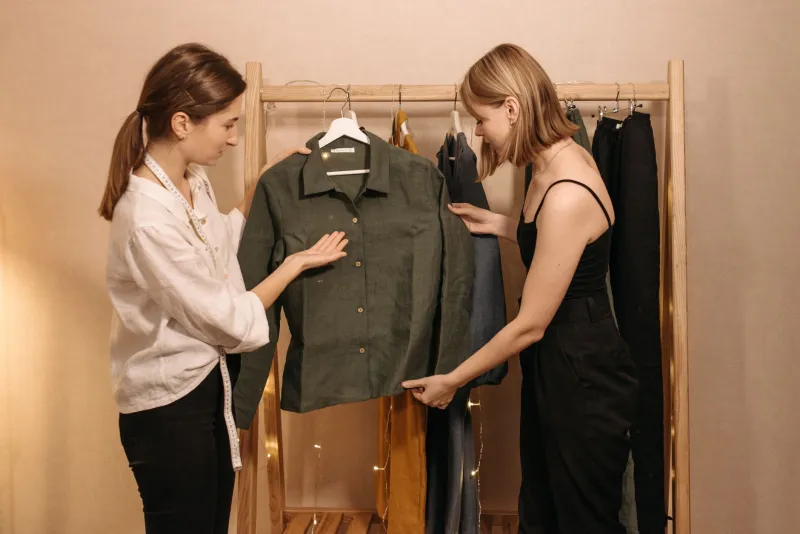
You can spend every dollar on the right pieces and still walk into a room like you borrowed someone else's clothes. The gap between what you're wearing and how you're wearing it is the most underrated problem in personal style — and no drop can fix it.

Stitched to Last: What Your Seams Say About Your Style IQ

Stitched to Last: What Your Seams Say About Your Style IQ

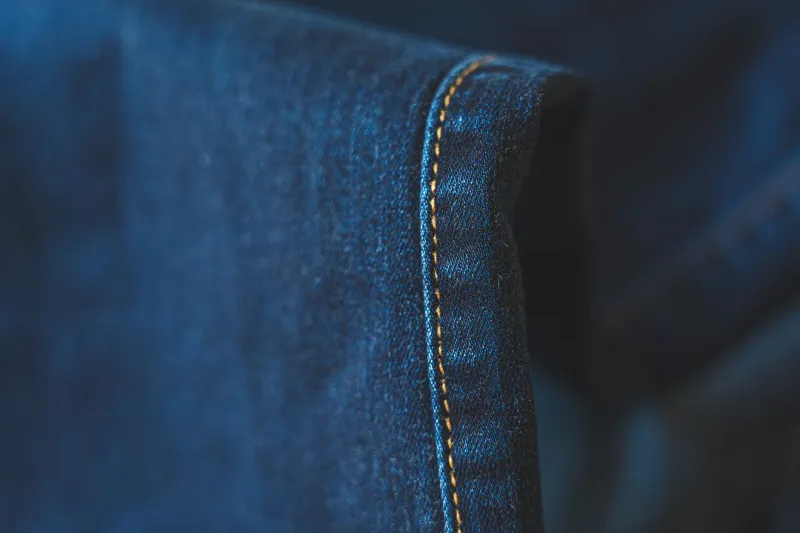
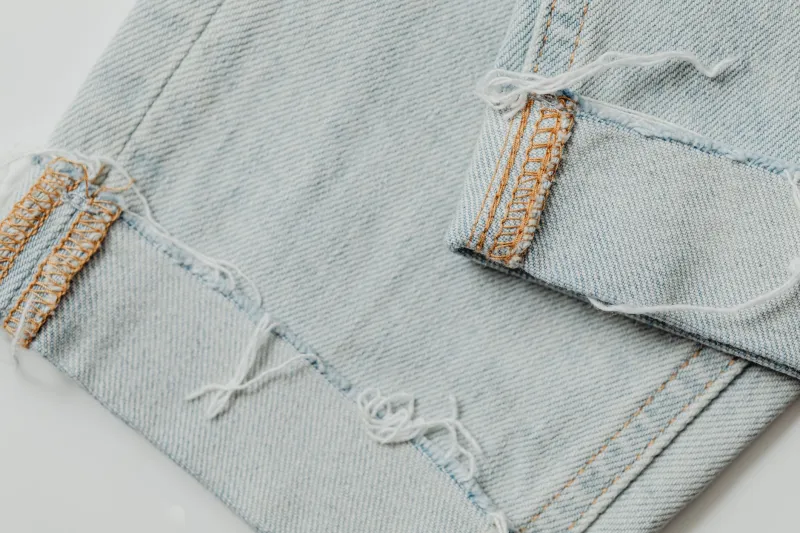
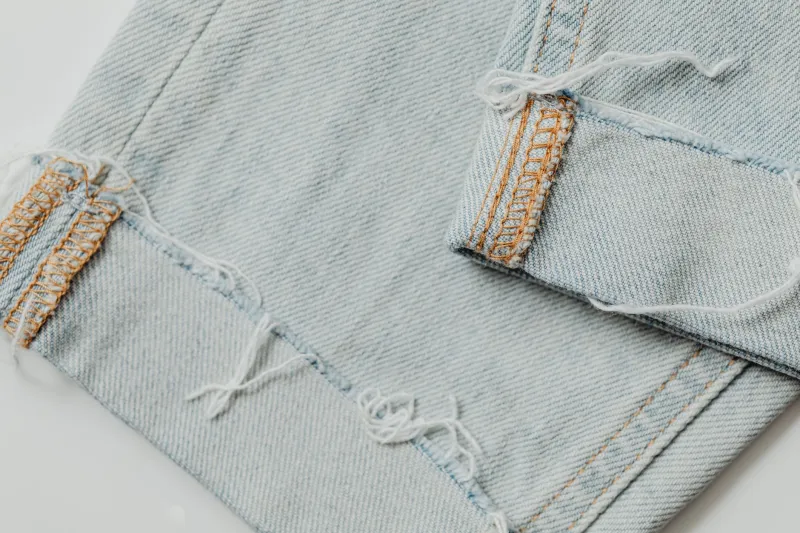
Most people buy clothes for how they look on a hanger. The ones who actually understand fashion buy for what happens after the first hundred wears. Construction quality isn't a niche obsession — it's the clearest signal that you know what you're doing.

The Details Nobody Sees Are the Ones That Matter Most

The Details Nobody Sees Are the Ones That Matter Most

Logos are loud. Anybody can buy loud. The most style-conscious people in the room right now are investing in something you'll never spot from across the street — and that's exactly the point. Here's why invisible craftsmanship has become the ultimate signal in an oversaturated streetwear market.

No Algorithm, No Problem: How Japan's Hidden Labels Are Winning the Streetwear Game

No Algorithm, No Problem: How Japan's Hidden Labels Are Winning the Streetwear Game

While hype culture burns bright and fast, a quieter movement is taking root — one built on handshakes, community threads, and designers who've never once chased a viral moment. Japan's underground fashion labels are landing in American closets through word of mouth alone, and that's exactly what makes them untouchable.

Sewn with Intent: How a New Wave of American Brands Is Rewriting the Rules of Domestic Production

Sewn with Intent: How a New Wave of American Brands Is Rewriting the Rules of Domestic Production

A quiet revolution is happening on factory floors and in small-batch studios across the US — one that's less about patriotism and more about refusing to compromise. Brands like Oni Cloth are pulling from Japanese craft philosophy while keeping their roots planted firmly in American counterculture, and the result is something the fashion industry hasn't seen in a long time: clothes that actually mean something.

Dressed to Resist: How Band Tees and Graphic Hoodies Became the Loudest Thing in the Room

Dressed to Resist: How Band Tees and Graphic Hoodies Became the Loudest Thing in the Room

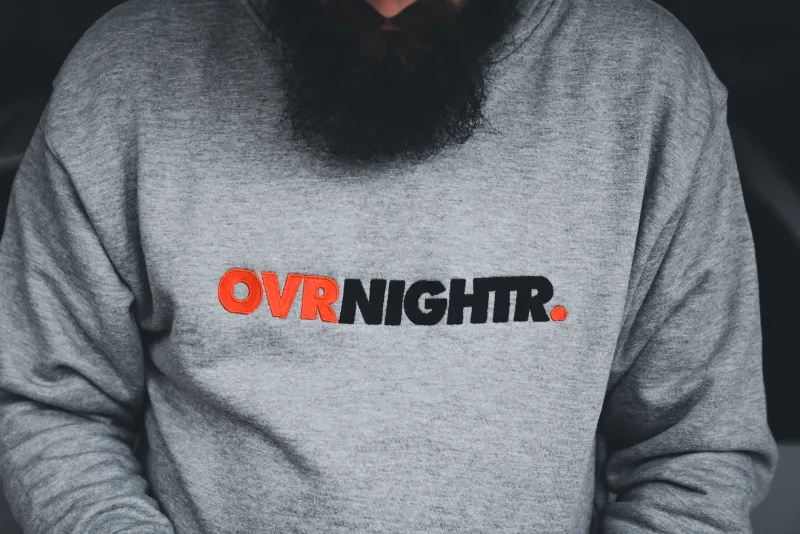
What started as merch table impulse buys has turned into one of the most loaded forms of self-expression in American youth culture. Band tees and oversized graphic hoodies aren't just clothing anymore — they're a whole vocabulary. And for Gen Z and younger millennials, that vocabulary is saying something the mainstream would rather you didn't.

East Meets West: How Japanese Street Style Quietly Rewrote the Rules of American Fashion

East Meets West: How Japanese Street Style Quietly Rewrote the Rules of American Fashion

Long before algorithm-driven trends dominated our feeds, a creative current was flowing from the backstreets of Harajuku and Shibuya straight into the DNA of American style. Japanese streetwear didn't just influence US fashion — it fundamentally changed how we think about what clothes are supposed to say. Here's how it happened, and why it still matters.